Autumn Halloween Pumpkins: A Designer’s Real-World Review
First Impressions: Cozy Halloween Vibe with Embroidery Appeal
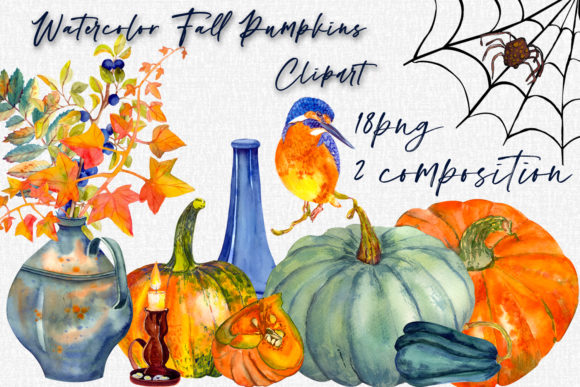
When I first opened the Autumn Halloween Pumpkins design, I immediately felt that classic seasonal charm—warm orange tones, playful jack-o'-lantern faces, and a hand-drawn illustrative style that screams fall festival. As someone who regularly works with embroidery files for boutique apparel and personalized gifts, this design struck a perfect balance between detail and simplicity. It doesn’t overwhelm the eye, yet it carries enough visual interest to stand out on a tote bag or sweatshirt.
The layout feels intentionally spaced, which is a big plus when considering how it will stitch out on different fabrics. The pumpkins are stylized but recognizable, and the added leaf accents give it that extra touch of seasonal flair without overcomplicating the design. It’s the kind of machine embroidery design that works well for both digital product sellers and Etsy crafters looking to tap into fall-themed handmade markets.
Real-World Use: From Sweatshirts to Holiday Gift Tags
I tested Autumn Halloween Pumpkins on a few different substrates to see how it would hold up in actual embroidery projects. First, I stitched it onto a medium-weight cotton sweatshirt—no issues with thread breaks or distortion. The satin stitch outlines held up well, and the fill stitch areas gave a clean, solid coverage without puckering. The pumpkins looked vibrant and well-defined, even after washing the garment once (a small but important test for those selling embroidered apparel).
Next, I used it on a set of linen tea towels for holiday gifts. The design scaled nicely to a slightly smaller size, and the leaf accents still remained visible and crisp. I paired it with some simple running stitch text for personalization, and the overall look was charming and cohesive. For small shop owners or craft fair sellers, this could be a quick but effective design to offer as a seasonal add-on.
One of the more unique applications I tried was on a felt patch meant for a baby's Halloween costume. The pumpkins read clearly even at a reduced size, which is a big win for those working with smaller hoop sizes. However, I did notice that the finer leaf veins became a bit less defined, so I’d recommend using this design on baby embroidery only when stitched on stable fabric with proper stabilizer backing.
Where to Use with Care: Fabric and Fit Considerations
While Autumn Halloween Pumpkins performed well across multiple applications, there are a few scenarios where extra attention is needed. On stretchy knit fabric—like a toddler’s hoodie—I noticed slight distortion in the fill stitch areas. Using a lightweight cutaway stabilizer helped, but it’s something to keep in mind if you're planning to embroider this on soft, stretchy materials.
Dark fabrics also require a bit of forethought. The original thread colors are warm and bright, which pop on light backgrounds but may need contrast adjustments for darker garments. I tested a black fabric mockup and found that switching to a slightly lighter orange and adding a white underlay helped the design stand out more clearly.
Curved surfaces like baseball caps can be tricky with any embroidery file, and this one is no exception. The overall shape of the pumpkins is wide and flat, so placing it on a curved cap panel required some minor resizing and repositioning to maintain visual balance. If you're planning to use this for headwear, make sure your hoop can accommodate the curve and that the stitch density doesn’t pull the fabric too tightly.
Design Impact: Visual Appeal and Business Value
From a design standpoint, Autumn Halloween Pumpkins brings a strong seasonal identity to any embroidered product. It has that handmade warmth that Etsy sellers and small shop owners often look for—something that feels personal but still polished. Whether it’s stitched onto a boutique tote or a custom pillow cover, the design adds a level of visual storytelling that customers respond to.
In terms of business impact, this illustration-style embroidery file could easily be integrated into a line of holiday merchandise. It’s versatile enough to be used across multiple product types—from personalized gifts to commercial embroidery projects—and has a good balance of detail that won’t scare off newer embroiderers. That’s a big plus for digital product sellers offering embroidery files to both hobbyists and small businesses.
One thing I especially appreciate is how well it works for both personal and commercial use. As long as licensing is confirmed (which I always recommend checking before selling any finished product), this design could be a staple in seasonal listings or bundled with other holiday-themed embroidery files.
Designer Notes: Practical Tips for Best Results
If you’re planning to use Autumn Halloween Pumpkins in your next project, here are a few practical tips based on my experience:
- Always test the design on scrap fabric before stitching the final product, especially if you’re using a new fabric type or adjusting the size.
- Check thread color contrast on both light and dark backgrounds. Some colors may need tweaking to maintain clarity and visual appeal.
- Review stitch density to avoid puckering, particularly on thinner or stretchy fabrics.
- Confirm your hoop size fits the design dimensions—especially important if you’re resizing for baby items or patches.
- Inspect small details like leaf veins or pumpkin ridges to ensure they stitch cleanly, especially at smaller sizes.
- Try a black and white mockup to evaluate contrast and shape before committing to color threads.
- Use the appropriate stabilizer for your fabric type—cutaway for stretchy materials, tear-away for stable cottons.
- Verify licensing terms before selling finished items or including the design in digital product bundles.
Autumn Halloween Pumpkins is a solid choice for designers and makers looking to bring a touch of festive charm to their embroidery work. Whether you're creating custom apparel, holiday gifts, or digital embroidery files for resale, this design holds up well across a variety of real-world applications. Just remember to test, adjust, and plan for fabric and size variations to ensure the best possible outcome.