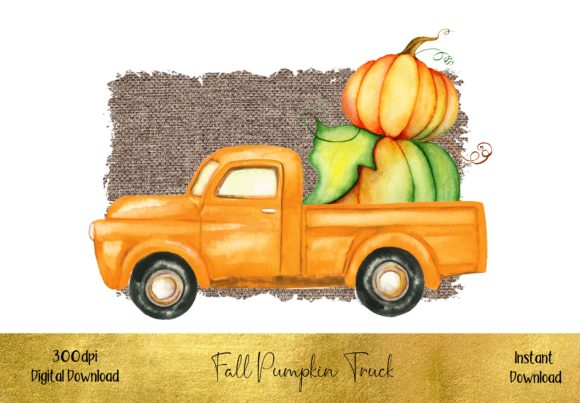
Cute Pumpkin Truck Illustrations for Seasonal Branding
First Impressions: A Whimsical Design with Marketing Potential
Opening the Cute Pumpkin Truck illustration bundle, I was immediately struck by its playful charm and warm autumnal tone. The design feels like a cozy invitation—perfect for small businesses launching seasonal campaigns or content creators building fall-themed visual kits. The illustration balances simplicity with character, making it ideal for brands that want to feel approachable without sacrificing professionalism.
From a brand communication standpoint, this asset leans into a casual, lifestyle-oriented aesthetic. It’s not suited for ultra-formal corporate branding, but it shines in spaces where warmth, friendliness, and a touch of nostalgia are part of the brand voice. The emotional tone is gentle and inviting, which can help humanize digital marketing visuals and create stronger emotional connections with audiences.
Real-World Use: From Social Media to Packaging Design
In a recent project for a local bakery launching a pumpkin spice product line, I explored how Cute Pumpkin Truck could work across multiple marketing touchpoints. Here’s how it performed:
- Social Media Graphics: Performed exceptionally well on Instagram and Pinterest. The illustration added a seasonal flair to carousel posts and story highlights without overwhelming the copy or CTAs.
- Packaging Design: Used as a decorative accent on gift boxes and product tags, it reinforced the brand’s handmade, artisanal positioning.
- Email Marketing: Integrated into newsletter headers, it created a cohesive visual thread between the brand’s seasonal landing page and email campaign.
- Canva Templates: Bundled into branded Canva templates for user-generated content, it gave customers a fun, on-brand visual to work with.
- Digital Ads: When used in Facebook and Google display ads, it helped break up text-heavy layouts and improved visual hierarchy.
It’s important to note that while the illustration is versatile, it works best when placed intentionally. For example, in web design, it was most effective in hero sections or as a decorative divider—not as a background element competing with main content.
Supporting Marketing Goals with Visual Clarity
One of the biggest challenges in modern branding is maintaining visual consistency across platforms. Cute Pumpkin Truck helps solve that by offering a recognizable visual motif that can be reused in multiple formats. This repetition builds brand recognition and trust, especially during seasonal campaigns when consistency is key.
From a content marketing perspective, this illustration helps create more memorable campaign visuals. Whether used in blog graphics or lead magnet designs, it adds a layer of visual storytelling that supports the brand’s message without distracting from it. In a sea of generic stock imagery, a custom illustration like this helps brands stand out while maintaining a professional appearance.
Where It Works Best: Strategic Placement for Maximum Impact
Based on real campaign testing, here are the top use cases for Cute Pumpkin Truck:
- Hero Graphics: Perfect for landing page headers that need to feel festive without looking cluttered.
- Seasonal Campaign Headers: Ideal for October marketing pushes, especially in food, lifestyle, and retail niches.
- Branded Templates: A strong addition to Canva kits, especially for bloggers and small business owners who need to create consistent visuals quickly.
- Packaging Accents: Works well as a secondary design element on stickers, thank-you cards, and product inserts.
- Promotional Banners: Especially effective in email banners and sidebar graphics for seasonal sales or events.
- Editorial Layouts: Adds warmth to blog posts and newsletters without compromising readability.
When to Use with Caution: Avoiding Visual Overload
While Cute Pumpkin Truck is a strong design asset, it’s not a one-size-fits-all solution. Here are the situations where you should use it carefully:
- Formal Corporate Branding: The playful tone may clash with high-end or corporate visuals.
- Dense Information Layouts: Can distract from data-heavy designs like reports or infographics.
- Small Mobile Graphics: Details may get lost in smaller sizes, so test on mobile before publishing.
- Low-Contrast Backgrounds: May not stand out clearly if placed over similar tones or patterns.
- Overly Minimal Brands: Might feel out of place in brands that use a strict, minimalist aesthetic.
- Text-Heavy Ads: Can compete with copy if not balanced with white space and hierarchy.
Brand Designer Notes: Practical Tips for Implementation
Before integrating Cute Pumpkin Truck into a live campaign, I always run through a checklist to ensure it aligns with the brand’s visual standards and marketing goals:
- Color Compatibility: Test it against the brand color palette to ensure it complements rather than clashes.
- Black and White Usage: Check how it looks in grayscale, especially for print or accessibility purposes.
- Mockup Placement: Place it inside real campaign mockups to see how it functions in context.
- Mobile Preview: Always preview on mobile screens to confirm visual clarity and readability.
- Font Pairing: Try it with serif, sans serif, script, and display fonts to see which combinations feel most cohesive.
- Spacing and Balance: Ensure there’s enough white space around the illustration to avoid visual crowding.
- Licensing Check: Confirm that the asset includes a commercial license before using it in paid campaigns or client work.
Final Thoughts: A Seasonal Asset with Year-Round Value
At first glance, Cute Pumpkin Truck might seem like a one-season wonder, but with thoughtful placement, it can become part of a broader visual content strategy. Whether you’re a small business owner preparing for a fall product launch or a content marketer building a seasonal campaign kit, this illustration offers both creative flexibility and professional polish.
For creative entrepreneurs and digital sellers, it’s a valuable addition to a design bundle that supports visual storytelling while staying true to brand identity. As with any graphic design asset, its success depends on how well it’s integrated into the overall brand ecosystem—but in the right context, it can elevate your marketing visuals from good to memorable.