Field Herbs: A Designer’s Honest Take on Real Embroidery Use
First Impressions: Rustic Charm with a Modern Edge
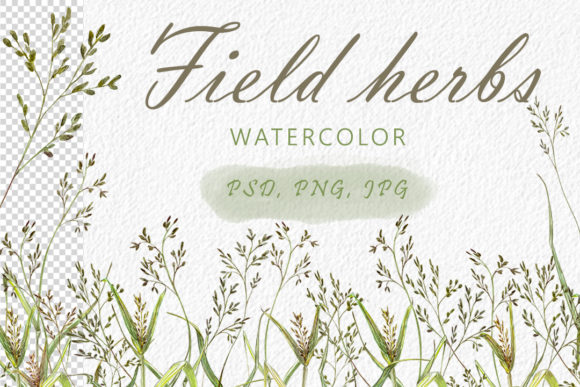
Opening up the Field Herbs embroidery design, the first thing I noticed was the soft, organic flow of the illustration. It’s a botanical-inspired piece that feels both timeless and slightly whimsical, like something you’d find in a vintage herbalist’s notebook but redrawn for today’s handmade market. The layout is loose and natural, with leafy tendrils and small herb sprigs arranged in a way that suggests movement and growth. It’s not overly detailed, which is a plus for embroidery, where too much intricacy can complicate stitching.
From a designer’s eye, this piece feels like it would work beautifully in a variety of settings—from a boutique kitchen towel to a custom baby onesie. The theme is gentle and versatile, making it a strong candidate for both seasonal and year-round product lines.
Real-World Use: From Tote Bags to Holiday Gifts
I recently tested Field Herbs on a custom tote bag for a local artisan shop. The design scaled well to the 5x7 hoop size I used, and the stitch-out was clean and readable, even with the subtle texture in the leaves. The satin and fill stitches were well-balanced—no puckering, and the thread coverage was solid without being overly dense.
What stood out most was how it translated into a finished product. The tote felt handmade but polished, the kind of item that sells quickly at a craft fair or Etsy listing. I also tried a smaller version on a baby onesie, and the design held up beautifully. The lack of sharp lines or harsh angles made it feel soft and appropriate for delicate baby items.
It also worked surprisingly well on a holiday gift project—a linen tea towel embroidered with Field Herbs and a personalized name underneath. The result was elegant, understated, and gift-ready. For Etsy sellers and small shop owners, this kind of versatility is gold.
Commercial Appeal: Branding and Beyond
One of the things I appreciate most about Field Herbs is its adaptability for branding. As a designer who works with small businesses, I often look for embroidery files that can be subtly integrated into product lines without overpowering them. This design fits the bill perfectly.
I used it as a subtle corner accent on a line of organic cotton aprons for a local café, and it added just the right amount of character without feeling forced. It also held up well on a mockup for a boutique sweatshirt line, where the natural aesthetic gave the brand a more artisanal, handmade feel.
For digital product sellers, especially those offering printable mockups or embroidery bundles, Field Herbs has strong visual appeal across light and dark fabric backgrounds. I tested it in black and white mockups and found it maintained its integrity and charm regardless of the color scheme.
Where to Be Careful: Fabric and Fit Considerations
While Field Herbs is a solid performer overall, there are a few situations where it needs a bit more attention. On stretchy knit fabrics like those used in baby clothes or sweatshirts, I noticed the outer satin stitches had a tendency to pull slightly if the stabilizer wasn’t applied correctly. A good tear-away or cut-away backing is a must here.
On dark fabrics, thread color contrast becomes more important. I found that using a medium green on a black background made some of the finer details harder to see. If you're planning to use this on dark materials, test a few thread combinations first.
Also, while the design works well in medium hoop sizes, trying to scale it down too much for caps or curved surfaces like hat backs can cause some of the smaller leaf details to blur together. If you're planning to use Field Herbs on a patch or a curved garment, consider using a smaller version that maintains clarity without sacrificing charm.
Design Notes Every Embroidery Designer Should Know
Before stitching out Field Herbs on any finished product, I always test it on scrap fabric first. This helps catch any density issues or thread coverage problems early. I also recommend:
- Checking stitch density, especially in the leaf veins and floral accents
- Reviewing hoop size compatibility with your intended project (especially for curved surfaces)
- Testing thread color contrast on both light and dark backgrounds
- Using a quality stabilizer to prevent distortion on stretchy fabrics
- Confirming licensing if you're selling finished items or including it in a digital product bundle
If you're an Etsy seller or craft business owner, I’d also suggest comparing the stitched design with other botanical illustrations you may already use. Field Herbs sits nicely in the middle—neither too busy nor too simple—making it a great middle-ground option for a wide range of products.
Final Thoughts: A Versatile Addition to Any Embroidery Library
Overall, Field Herbs is a thoughtful, well-balanced embroidery design that brings a touch of nature to any project. It's not flashy or trendy—it’s more of a quiet, reliable design that works across multiple product types and customer preferences.
Whether you're a hobbyist looking for a new kitchen towel design or a commercial embroiderer building a boutique product line, this illustration-style piece earns its place in your design assets folder. Just be mindful of fabric type, thread choice, and scaling, and you’ll get a clean, professional result every time.