Magic Unicorns: A Designer’s Review of Whimsical Illustrations for Branding and Visual Projects
First Impressions: Whimsy Meets Versatility
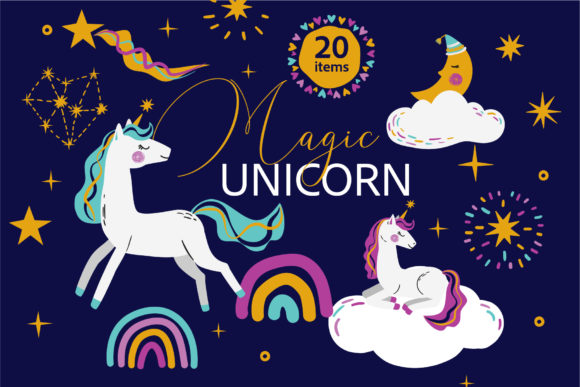
When I first opened the Magic Unicorns design asset pack, I was immediately struck by the playful charm and clean execution. These illustrations aren’t just cutesy clipart—they feel intentionally designed with a balance of fantasy and professionalism. The color palette leans pastel but stays flexible, and the linework is crisp enough to work across both digital and print formats. As a designer working with small businesses and creative entrepreneurs, I could already picture how these visuals could elevate a product line or seasonal campaign.
What Kind of Project Does Magic Unicorns Fit?
This illustration set feels like a natural fit for brands with a soft, imaginative identity—think boutique toy shops, children’s book authors, handmade soap makers, or local bakeries with a fairy-tale theme. The Magic Unicorns illustrations could easily become the emotional anchor in a branding system, especially when the goal is to evoke wonder and approachability. They’re ideal for businesses targeting young families, fantasy lovers, or anyone looking to inject a bit of magic into their visual storytelling.
How Magic Unicorns Performs Across Design Formats
I tested the illustrations across several real-world design scenarios, and here’s how they held up:
- Logo design: While not a logo itself, Magic Unicorns can serve as a strong brand mascot or supporting graphic in a custom logo system.
- Product labels: Worked beautifully on a mockup for a line of herbal tea blends—especially when paired with soft typography and floral accents.
- Packaging design: The illustrations added a dreamy touch to a custom box design for a boutique candle brand.
- Social media graphics: Used as a central hero image in Instagram carousel posts, they drew attention and felt on-brand for a children’s clothing shop.
- Printable wall art: Easily adapted to a downloadable product line for an Etsy shop focused on nursery decor.
- Cricut projects: Clean vector outlines made them perfect for laser cutting and vinyl projects, especially for personalized nursery signs.
Where Magic Unicorns Shine Brightest
These illustrations are most effective in design contexts where emotional appeal and visual storytelling matter. Here’s where I found them to be the most impactful:
- Hero graphics: Great for landing pages or seasonal banners where a strong visual hook is needed.
- Themed collections: Perfect for creating cohesive visual sets—especially for holiday campaigns or limited-edition product drops.
- Packaging accents: Add a magical touch to stickers, tags, or insert cards in shipped products.
- Editorial design: Worked well in a mock-up for a children’s activity magazine layout.
- Printable designs: Ideal for digital product creators selling on Etsy or creative marketplaces.
Design Scenarios That Require Caution
Despite their charm, Magic Unicorns may not be suitable for every project. Use them carefully in the following situations:
- Small-scale applications: Details can get lost at sizes smaller than 1.5 inches, especially in print.
- Minimalist branding: The illustrative style might clash with ultra-clean, modern design systems.
- Professional corporate materials: These visuals are better suited for creative or consumer-facing brands than formal B2B environments.
- Complex backgrounds: Layering them over busy textures or patterns can make the overall design feel cluttered.
- Low-contrast settings: Test thoroughly when placing on colored backgrounds to ensure visibility and readability.
Impact on Branding and Visual Consistency
When used thoughtfully, Magic Unicorns can significantly enhance brand recognition and emotional engagement. The key is consistency—choosing one or two main illustrations and using them across packaging, digital assets, and marketing visuals. I found that when paired with a cohesive color scheme and font pairing (especially with script or handwritten typefaces), the illustrations helped create a unified and memorable brand identity.
Practical Designer Notes Before Using Magic Unicorns
Before incorporating Magic Unicorns into a client project, always do the following:
- Test in black and white: Some illustrations may lose character when desaturated.
- Check contrast: Preview on both light and dark backgrounds to ensure legibility.
- Preview at multiple sizes: Make sure they scale well for both large posters and small stickers.
- Place on real mockups: See how they look in context—mockups help identify spacing or clarity issues.
- Test print quality: Confirm resolution and color accuracy, especially for packaging or merchandise.
- Review file formats: Look for SVG, PNG, and vector options to ensure flexibility in editing and use.
- Inspect PNG transparency: If transparency is required (e.g., for stickers or overlays), verify that the PNGs have clean edges.
- Compare with fonts: Try them with serif, sans serif, script, and display fonts to see which combinations feel most cohesive.
- Confirm commercial licensing: Always check the license terms—especially for print-on-demand, Etsy shops, or branded merchandise.
Final Thoughts: A Useful Addition to Any Creative Designer’s Toolkit
Magic Unicorns is more than just a whimsical illustration set—it’s a versatile design asset that, when used strategically, can elevate a wide range of visual projects. From branding to packaging, digital marketing to printable products, these illustrations offer a touch of fantasy that resonates with audiences seeking warmth and creativity. For designers working with small businesses, handmade brands, or seasonal campaigns, this asset pack can be a valuable addition to your creative arsenal—just be sure to test thoroughly and use with intention.